

Country Overview
Bahamas
At a glance
Last Update:
The Bahamas has a limited legal framework for LGBTIQ people’s rights, with some basic freedoms but insufficient formal protections or recognition. Same-sex sexual activity has been legal in The Bahamas since 1991, but there is no legal recognition of same-sex relationships. LGBTIQ people lack explicit nondiscrimination protections in employment, housing, health care, or public services. While transgender and gender-diverse individuals can change their names, gender markers cannot be modified on legal documents. Hate crimes based on sexual orientation or gender identity are not specifically recognized in law, limiting legal recourse for victims. Intersex individuals face significant legal and social challenges, with no specific legal protections against discrimination based on sex characteristics and no bans on nonconsensual, irreversible surgical interventions on intersex infants.
LGBTIQ people in The Bahamas face significant social stigma, discrimination, and violence, with transgender and gender-diverse individuals particularly affected, especially in education and employment. Police are often reported to be unresponsive to hate crimes targeting LGBTIQ individuals, contributing to underreporting and distrust of law enforcement. Religious institutions, including influential Protestant and Catholic churches, play a major cultural role and have publicly opposed LGBTIQ equality, including by criticizing Pride-related events and advocacy efforts.
Political and public discourse has at times reinforced stigma. During a 2016 constitutional referendum, opponents mobilized fears that reforms could lead to marriage equality, contributing to widespread misinformation and hostility. Public figures have also made discriminatory remarks, and religious groups have continued to oppose LGBTIQ visibility, condemning Pride events and university initiatives as recently as 2023.
Despite these challenges, LGBTIQ communities have achieved increased visibility and gradual social change. Pride celebrations have taken place intermittently since 2001, and advocacy efforts for equality and inclusion persist. While legal protections remain limited as of 2025, growing public engagement and community organizing suggest gradual progress alongside persistent legal and social obstacles.
View more for this country:


Global Impact
Sub-Saharan Africa
Outright supports LGBTIQ organizations in Sub-Saharan Africa and works with mainstream human rights organizations to respect human rights and influence positive changes in laws, policies, attitudes and beliefs that cause discrimination against LGBTIQ people.
United Nations
Our work at the United Nations centers around advocating for the advancement of the rights of LGBTIQ people.
View this regionAsia
Our work in Asia promotes acceptance of sexual and gender diversity at all levels of society.
View this regionSouthwest Asia and North Africa
In the Southwest Asia and North Africa, we partner with local groups in various countries as part of our international solidarity work. We also work with our local partners on different topics through capacity building, advocacy, research and holistic security.
Europe and Central Asia
Outright International partners with activists to fight for an end to human rights violations based on sexual orientation, gender identity and gender expression in Europe and Central Asia, where most of our work involves emergency responses to harassment, discrimination, violence, and most recently, Russia’s brutal and expanded invasion of Ukraine.
Americas
Our work in the Americas continues to build on the fundamental and positive transformation of human rights protections in recent years. We partner with groups in the Caribbean that focus on ending gender-based violence and eradicating discrimination against trans people.
Pacific
Our work in the Pacific aims to increase the visibility of activists, respond to human rights emergencies, and actively bridge local, regional, and international activism to achieve equality and justice.
Global
View this region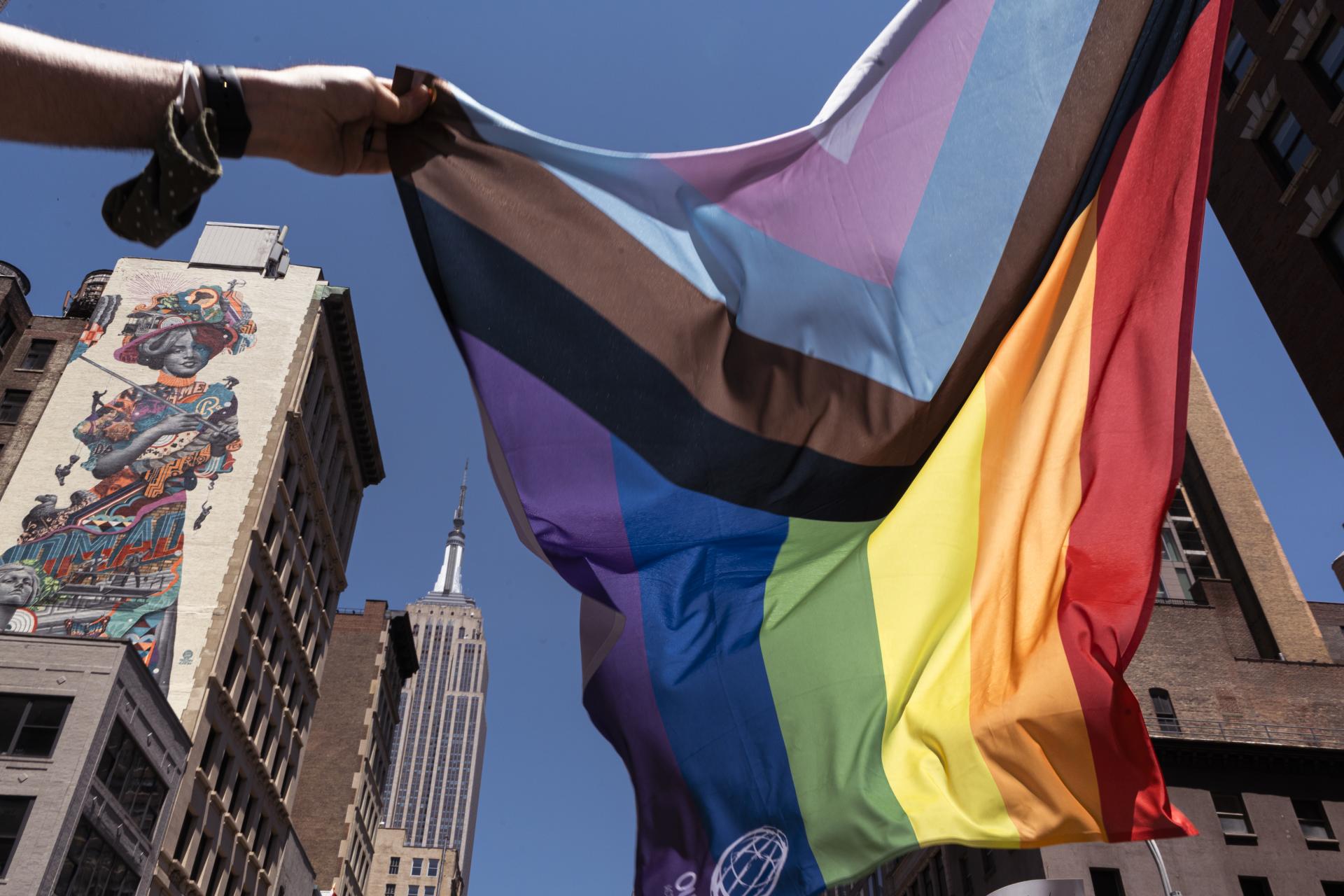
Human Rights Research
Since 1990, we have partnered with activists from all over the world to produce hundreds of groundbreaking reports.
Read Our Reports