

Report
Unsafe and Falling Through the Cracks
Region(s)
TOPIC(s)
Author(s)
Publish Date
January 26, 2026
Share
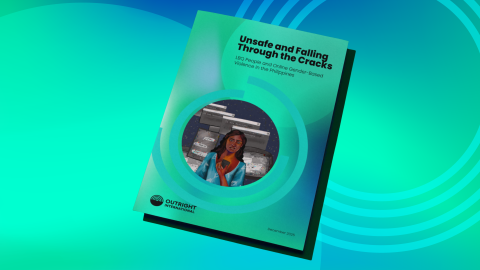
In one of the world's most connected countries, lesbian, bisexual, and queer (LBQ) people face a hidden crisis. Online spaces that should offer community and connection have become sites of harassment, threats, and violence—with perpetrators enjoying near-total impunity.
This groundbreaking report documents how LBQ people in the Philippines experience online gender-based violence at the intersection of sexism and queerphobia, revealing systemic failures in legal protections and platform accountability.
Key Findings
The Scale of the Problem
Among 60 LBQ respondents surveyed, 37 experienced online gender-based violence directly, while six knew someone who did. The violence takes many forms—and leaves lasting damage.
Most Common Forms of Violence Reported
- Harassment and threats (15 respondents)
- Cyberbullying (14 respondents)
- Hate speech (12 respondents)
- Misogynistic, homophobic, or transphobic remarks (12 respondents)
- Cyberstalking (7 respondents)
- Threats of physical violence (6 respondents)
- Blackmail and revenge porn threats (4 respondents)
The Silence Around Seeking Help
Sixty percent of survivors did not seek any redress or support. When they did reach out, they turned to friends and family—not institutions. Only three out of 37 survivors contacted law enforcement or government agencies.
What Makes This Violence Unique
The Intersection of Sexism and Queerphobia
LBQ people don't face just one form of discrimination online—they face attacks rooted in both misogyny and homophobia. Perpetrators frequently invoke religious and moral justifications, telling survivors they are "sinful," "disgusting," or "an abomination."
Political Weaponization
In the Philippines, online gender-based violence has become a tool of political repression. Some LBQ activists have been "red-tagged"—falsely accused of communist ties—leading to doxing, public harassment, and credible threats to their physical safety. One respondent was forced to flee the country.
Platform Failures
When survivors report abuse to tech platforms, 66 percent said no action was taken. Perpetrators face minimal consequences—such as a seven-day suspension—and can easily create new accounts to continue harassment.
Impacts on Survivors
Mental Health Consequences
Thirty out of 37 survivors reported mental health impacts, including:
- Anxiety and paranoia
- Sleep disturbances
- Retraumatization of past experiences
Silencing Effects
Twenty-four out of 37 survivors changed how they engage online—limiting what they share, privatizing accounts, or withdrawing from advocacy work entirely. The violence achieves its goal: silencing LBQ voices.
Physical Safety Concerns
Seven survivors reported limiting their physical movement due to online threats, taking costly precautions like avoiding walking home or constantly checking for people following them.
The Legal Landscape
Laws That Should Protect
The Philippines has progressive legislation, including:
- Safe Spaces Act (2018) — Prohibits online gender-based sexual harassment
- Anti-Violence Against Women and Their Children Act — Extended to same-sex relationships in 2022
- Cybercrime Prevention Act — Addresses digital offenses
Survivor Voices
Quote from Chang
"Your mere presence in online spaces makes you vulnerable. You'll never know what will happen to you."
Quote from Ash
"I've become afraid of expressing my [sexual orientation, gender identity or gender expression] online... I just play [games] with friends who are also lesbian couples. It's just among us. We don't really have a choice."
Quote from Irish
"I would have wanted to file a case, but I know it would take a long time, and by the time that the case gets resolved, you'll be dead already."
Recommendations
To the Philippine Government
- Pass a comprehensive national anti-discrimination legislation covering sexual orientation, gender identity, gender expression, andd sex characteristics, among other grounds
- Strengthen implementation of the Safe Spaces Act with survivor-informed approaches
- Require sensitivity training for police, mental health professionals, and service providers
- Hold politicians accountable for using online gender-based violence against opponents
To Tech Platforms
- Adopt clear definitions of online gender-based violence based on international human rights standards
- Strengthen reporting mechanisms with accessible appeal processes
- Allow third-party reporting and complaints from deactivated accounts
- Move beyond punitive measures toward restorative approaches that address root causes
To Civil Society
- Train frontline providers on gender and sexuality and survivor-centered approaches
- Document and disaggregate data on LBQ people’s experiences of online violence
- Build community support networks that provide psychosocial first aid
About This Research
This report is part of a five-country study across Asia examining online gender-based violence against LBQ people—a population often invisible in existing research. The Philippines study draws on:
- 60 survey responses from LBQ individuals
- 10 in-depth interviews with survivors and service providers
- Comprehensive legal and policy analysis
- Research was conducted by Filipino LBQ activists Nica Dumlao and Ivanka Custodio, with support from Outright International's research team.
Related Resources
Frequently Asked Questions
What is online gender-based violence?
Online gender-based violence refers to harmful acts directed toward individuals or groups based on their gender that are carried out through or enabled by technology. This includes harassment, threats, hate speech, cyberstalking, doxing (publishing private information), non-consensual sharing of intimate images, blackmail, and impersonation. For LBQ people, these attacks often combine misogyny with homophobia and transphobia.
How common is online gender-based violence against LBQ people in the Philippines?
This research found that 37 out of 60 LBQ respondents (62%) experienced online gender-based violence directly. The most common forms reported were harassment and threats (15 respondents), cyberbullying (14), hate speech (12), and misogynistic, homophobic, or transphobic remarks (12). Additionally, 6 respondents knew someone who had experienced such violence.
What laws protect LGBTIQ people from online violence in the Philippines?
The Philippines has several relevant laws, including the Safe Spaces Act of 2018 (Republic Act No. 11313), which prohibits "gender-based online sexual harassment" including threats, unwanted sexual or homophobic remarks, cyberstalking, non-consensual sharing of intimate content, and impersonation. The Anti-Violence Against Women and Their Children Act was extended to same-sex relationships between women in a 2022 Supreme Court ruling. The Cybercrime Prevention Act of 2012 addresses identity theft and other digital offenses. However, no comprehensive national law prohibits discrimination based on sexual orientation, gender identity, gender expression, and sex characteristics (SOGIESC).
Why don't LBQ survivors report online gender-based violence?
The research found that 60% of survivors did not seek any redress or support. Key barriers include distrust in the justice system due to lengthy processes and high costs, fear of retaliation from perpetrators, stigma around both LBQ identity and being a survivor of violence, lack of sensitivity training among police and service providers, and ineffective platform reporting mechanisms—66% of those who reported to platforms said no action was taken.
What is "red-tagging" and how does it affect LBQ activists in the Philippines?
Red-tagging is the practice of falsely accusing activists of being members or supporters of communist insurgent groups. In the Philippines, this has been used systematically against human rights defenders, journalists, and political opposition. Some LGBTIQ activists have been specifically targeted, with their sexual orientation used to discredit them. Red-tagging exposes individuals to harassment, doxing, and physical danger—one LBQ respondent was forced to flee the country for their safety.
What mental health impacts do survivors of online gender-based violence experience?
Of the 37 survivors in this study, 30 (81%) reported mental health impacts including anxiety, paranoia, sleep disturbances, and retraumatization of past experiences. Additionally, 24 survivors (65%) changed their online behavior—limiting what they share, privatizing accounts, or withdrawing from advocacy work. Seven survivors reported limiting their physical movement due to safety concerns stemming from online threats.
What should tech platforms do to address online gender-based violence against LBQ people?
The report recommends that tech platforms adopt clear, human rights-based definitions of online gender-based violence, strengthen content moderation and reporting mechanisms, allow third-party reporting and complaints from deactivated accounts, make appeal processes accessible, and move beyond purely punitive measures (like short suspensions) toward restorative approaches that address root causes of harmful behavior.
What is the Safe Spaces Act and does it protect LGBTIQ people in the Philippines?
The Safe Spaces Act of 2018 (Republic Act No. 11313) is the Philippines' most comprehensive law against online gender-based violence. It explicitly prohibits "unwanted sexual, misogynistic, transphobic, homophobic, and sexist remarks and comments online." It covers threats, cyberstalking, non-consensual sharing of intimate content, impersonation, and filing false abuse reports to silence victims. Penalties include imprisonment and fines up to ₱500,000 (approximately US$8,700). However, implementation has been criticized as weak, and enforcement mechanisms remain inadequate.
How can I support LBQ survivors of online gender-based violence?
Key ways to support survivors include believing and validating their experiences without judgment, connecting them with community support networks and LGBTIQ organizations, respecting their decisions about whether or not to report, helping with digital security measures, and advocating for stronger legal protections and platform accountability. The report emphasizes that community support—friends, family, and LGBTIQ organizations—is often more accessible and trusted than formal institutions.
Is this research part of a larger study on online violence against LBQ people?
Yes. This Philippines report is part of a five-country study examining online gender-based violence against LBQ people across Asia, including Bangladesh, Indonesia, Malaysia, the Philippines, and Vietnam. Beginning in 2023, Outright International surveyed and interviewed close to 500 respondents across all five countries for a first-of-its-kind look at queer women's experiences of gender-based violence online.
Explore News and Commentaries
We share news, cultural media and advocacy of partners, activists and experts through the lens of LGBTIQ people working on international human rights.
Read Our Insights